
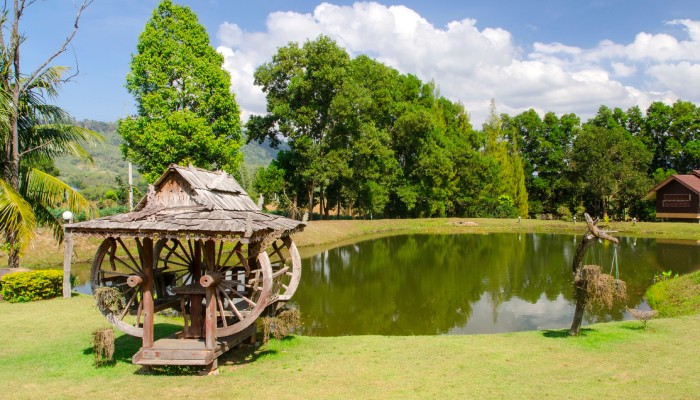
Building a large pond transforms a landscape, creating a serene ecosystem right in your backyard. Whether you envision a koi paradise or a natural swimming hole, proper planning prevents costly mistakes and guarantees a thriving aquatic environment. Before you start digging, consider these essential factors to build a large pond that looks beautiful and functions perfectly.
Conduct Thorough Site Analysis
Location dictates the success of any water feature. Pick a spot that receives a balance of sunlight and shade, as too much sun promotes algae growth while too much shade limits plant health. You should also check for underground utilities and soil type. Sandy soil, for example, requires different stabilization methods than clay. Observe how water naturally drains on your property to prevent runoff from contaminating your new pond.
Plan Your Pond Size and Depth
Size matters significantly when maintaining water quality. Larger volumes of water remain more stable in temperature and chemistry than smaller ones. For fish health, aim for a depth of at least two feet, or deeper if you live in a colder climate, to prevent freezing. A mix of shallow shelves for plants and deep zones for fish creates a balanced habitat.
Evaluate Pond Liner Material Options
A reliable liner keeps water where it belongs. EPDM rubber liners offer flexibility and durability, making them a popular choice for custom shapes. For even larger projects, reinforced polyethylene (RPE) provides superior strength while remaining lightweight. Concrete works well for formal designs, but cracks over time if the ground shifts.
Plan for Water Circulation and Aeration
Stagnant water invites mosquitoes and algae. Install a pump that circulates the entire volume of the pond at least once every hour. Adding a waterfall or fountain not only looks great but also introduces oxygen, which is vital for fish and beneficial bacteria.
Integrate Filtration Systems
A robust filtration system keeps the water clear and healthy. Mechanical skimmers remove leaves and debris before they sink and decay, while biological filters use bacteria to break down harmful waste. Sizing the filter correctly for your water volume prevents constant cleaning headaches.
Design for Erosion Control
Large ponds often face bank erosion issues. Use rocks, gravel, or native plants along the edges to stabilize the soil. Managing your large pond effectively requires securing the perimeter to prevent muddy water and structural collapse. Natural stone edging also hides the liner, giving the pond a seamless, organic look.
Choose the Right Plants and Fish
Select plants and fish that thrive in your specific climate. Water lilies and lotus provide shade and cover, reducing algae growth. Koi and goldfish add color and movement but produce waste, increasing the load on your filtration system. Introduce fish gradually to allow the ecosystem to adapt.
Create a Maintenance Schedule
Regular upkeep preserves your pond’s beauty. Plan seasonal tasks, such as removing dead plant matter in the fall and cleaning filters in the spring. A well-thought-out design includes easy access points for these chores, making long-term care much simpler.
Start Your Pond Project
Building a large backyard pond is a rewarding project that enhances the beauty and tranquility of your outdoor space. By thoughtfully designing and maintaining your pond, you can create a thriving ecosystem to enjoy for years to come. With proper planning, attention to detail, and ongoing care, your pond can become a stunning centerpiece that provides a peaceful retreat and supports a vibrant array of life.