Driving is something many people do every day without much thought, yet a wide range of factors can quietly turn a routine trip into a dangerous situation. Unsafe driving conditions are not always obvious and often develop gradually, making them easy to ignore until something goes wrong. Understanding the factors that make it unsafe to drive your car can help you make better decisions and avoid unnecessary hazards.
Poor Visibility and Its Impact on Safety
Clear visibility is essential for safe driving, and anything that interferes with a driver’s ability to see the road can significantly increase the risk of accidents. Fog, heavy rain, snow, and glare from the sun can all reduce reaction time and make it harder to judge distances.
Even minor visibility issues can become major problems at highway speeds, where decisions must be made in seconds. When drivers struggle to see clearly, they are more likely to miss obstacles, traffic signals, or sudden changes in road conditions.
Water Stains on the Windshield
Water stains on the windshield are often dismissed as a cosmetic issue, but they can pose a serious safety concern. These mineral deposits can scatter light, especially at night or during sunrise and sunset, creating glare that impairs vision.
Over time, water stains can also interfere with the effectiveness of windshield wipers, leaving streaks that worsen visibility during rain. If you find that water stains are a consistent problem with your windshield, then it’s important to know how to safely remove themwithout damaging the glass.
Driver Fatigue and Distraction
Fatigue is one of the most underestimated threats on the road. Tired drivers experience slower reflexes, reduced concentration, and impaired decision-making abilities. Long drives, lack of sleep, or even monotonous routes can contribute to drowsiness behind the wheel.
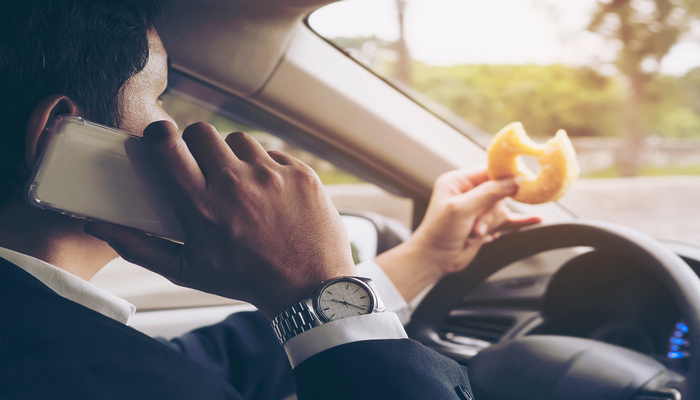
Distractions such as mobile phones, infotainment systems, or eating while driving further divide attention. When focus shifts away from the road, drivers may fail to notice hazards until it is too late to respond safely.
Mechanical Issues and Poor Maintenance
A vehicle’s condition plays a crucial role in driving safety. Worn brakes, underinflated tires, faulty lights, or steering problems can all compromise control and increase stopping distances.
Mechanical issues often develop gradually, which makes regular maintenance essential. Ignoring warning signs like unusual noises or dashboard alerts can lead to sudden failures that put both the driver and others at risk.
Adverse Weather and Road Conditions
You can’t control weather and road conditions, but they can influence how safely you operate your vehicle. Wet, icy, or uneven roads reduce tire traction and make braking less effective.
Potholes, debris, and poorly marked construction zones also demand extra caution. Driving at normal speeds in unfavorable conditions increases the chance of losing control, especially when combined with other risk factors like worn tires or limited visibility.
Stay Safe on the Road
Unsafe driving conditions often result from a combination of factors rather than a single issue. Visibility problems, driver fatigue, mechanical neglect, and environmental challenges can all contribute to dangerous situations on the road. By staying aware of unsafe driving hazards and addressing them early, drivers can make safer choices and reduce the likelihood of accidents. Small preventive actions can make a meaningful difference in overall road safety.

- The Italian-American Page
- The Italian-American Page
- The Italian-American Page
- The Italian-American Page
- The Italian-American Page
- The Italian-American Page
- The Italian-American Page
- The Italian-American Page
- The Italian-American Page
- The Italian-American Page
- The Italian-American Page
- The Italian-American Page
- The Italian-American Page
- The Italian-American Page
- The Italian-American Page
- The Italian-American Page
- The Italian-American Page
- The Italian-American Page
- The Italian-American Page
- The Italian-American Page
- The Italian-American Page
- The Italian-American Page
- The Italian-American Page
- The Italian-American Page
- The Italian-American Page
- The Italian-American Page
- The Italian-American Page
- The Italian-American Page
- The Italian-American Page
- The Italian-American Page
- The Italian-American Page
- The Italian-American Page
- The Italian-American Page
- The Italian-American Page
- The Italian-American Page
- The Italian-American Page
- The Italian-American Page
- The Italian-American Page
- The Italian-American Page
- The Italian-American Page
- The Italian-American Page
- The Italian-American Page
- The Italian-American Page
- The Italian-American Page
- The Italian-American Page
- The Italian-American Page
- The Italian-American Page
- The Italian-American Page
- The Italian-American Page
- The Italian-American Page
- The Italian-American Page
- The Italian-American Page
- The Italian-American Page
- The Italian-American Page
- The Italian-American Page
- The Italian-American Page
- The Italian-American Page
- The Italian-American Page
- The Italian-American Page
- The Italian-American Page
- The Italian-American Page
- The Italian-American Page
- The Italian-American Page
- The Italian-American Page
- The Italian-American Page
- The Italian-American Page
- The Italian-American Page
- The Italian-American Page
- The Italian-American Page
- The Italian-American Page
- The Italian-American Page
- The Italian-American Page
- The Italian-American Page
- The Italian-American Page
- The Italian-American Page
- The Italian-American Page
- The Italian-American Page
- The Italian-American Page
- The Italian-American Page
- The Italian-American Page
- The Italian-American Page
- The Italian-American Page
- The Italian-American Page
- The Italian-American Page
- The Italian-American Page
- The Italian-American Page
- The Italian-American Page
- The Italian-American Page
- The Italian-American Page
- The Italian-American Page
- The Italian-American Page
- The Italian-American Page
- The Italian-American Page
- The Italian-American Page
- The Italian-American Page
- The Italian-American Page
- The Italian-American Page
- The Italian-American Page
- The Italian-American Page
- The Italian-American Page
- The Italian-American Page
- The Italian-American Page
- The Italian-American Page
- The Italian-American Page
- The Italian-American Page
- The Italian-American Page
- The Italian-American Page
- The Italian-American Page
- The Italian-American Page
- The Italian-American Page
- The Italian-American Page
- The Italian-American Page
- The Italian-American Page
- The Italian-American Page
- The Italian-American Page
- The Italian-American Page
- The Italian-American Page
- The Italian-American Page
- The Italian-American Page
- The Italian-American Page
- The Italian-American Page
- The Italian-American Page
- The Italian-American Page
- The Italian-American Page
- The Italian-American Page
- The Italian-American Page
- The Italian-American Page
- The Italian-American Page
- The Italian-American Page
- The Italian-American Page
- The Italian-American Page
- The Italian-American Page
- The Italian-American Page
- The Italian-American Page
- The Italian-American Page
- The Italian-American Page
- The Italian-American Page
- The Italian-American Page
- The Italian-American Page
- The Italian-American Page
- The Italian-American Page
- The Italian-American Page
- The Italian-American Page
- The Italian-American Page
- The Italian-American Page
- The Italian-American Page
- The Italian-American Page
- The Italian-American Page
- The Italian-American Page
- The Italian-American Page
- The Italian-American Page
- The Italian-American Page
- The Italian-American Page
- The Italian-American Page
- The Italian-American Page
- The Italian-American Page
- The Italian-American Page
- The Italian-American Page
- The Italian-American Page
- The Italian-American Page
- The Italian-American Page
- The Italian-American Page
- The Italian-American Page
- The Italian-American Page
- The Italian-American Page
- The Italian-American Page
- The Italian-American Page
- The Italian-American Page
- The Italian-American Page
- The Italian-American Page
- The Italian-American Page
- The Italian-American Page
- The Italian-American Page
- The Italian-American Page
- The Italian-American Page
- The Italian-American Page
- The Italian-American Page
- The Italian-American Page
- The Italian-American Page
- The Italian-American Page
- The Italian-American Page
- The Italian-American Page
- The Italian-American Page
- The Italian-American Page
- The Italian-American Page
- The Italian-American Page
- The Italian-American Page
- The Italian-American Page
- The Italian-American Page
- The Italian-American Page
- The Italian-American Page
- The Italian-American Page
- The Italian-American Page
- The Italian-American Page
- The Italian-American Page
- The Italian-American Page
- The Italian-American Page
- The Italian-American Page
- The Italian-American Page
- The Italian-American Page
- The Italian-American Page
- The Italian-American Page
- The Italian-American Page
- The Italian-American Page
- The Italian-American Page
- The Italian-American Page
- The Italian-American Page
- The Italian-American Page
- The Italian-American Page
- The Italian-American Page
- The Italian-American Page
- The Italian-American Page
- The Italian-American Page
- The Italian-American Page
- The Italian-American Page
- The Italian-American Page
- The Italian-American Page
- The Italian-American Page
- The Italian-American Page
- The Italian-American Page
- The Italian-American Page
- The Italian-American Page
- The Italian-American Page
- The Italian-American Page
- The Italian-American Page
- The Italian-American Page
- The Italian-American Page
- The Italian-American Page
- The Italian-American Page
- The Italian-American Page
- The Italian-American Page
- The Italian-American Page
- The Italian-American Page
- The Italian-American Page
- The Italian-American Page
- The Italian-American Page
- The Italian-American Page
- The Italian-American Page
- The Italian-American Page
- The Italian-American Page
- The Italian-American Page
- The Italian-American Page
- The Italian-American Page
- The Italian-American Page
- The Italian-American Page
- The Italian-American Page
- The Italian-American Page
- The Italian-American Page
- The Italian-American Page
- The Italian-American Page
- The Italian-American Page
- The Italian-American Page
- The Italian-American Page
- The Italian-American Page
- The Italian-American Page
- The Italian-American Page
- The Italian-American Page
- The Italian-American Page
- The Italian-American Page
- The Italian-American Page
- The Italian-American Page
- The Italian-American Page
- The Italian-American Page
- The Italian-American Page
- The Italian-American Page
- The Italian-American Page
- The Italian-American Page
- The Italian-American Page
- The Italian-American Page
- The Italian-American Page
- The Italian-American Page
- The Italian-American Page
- The Italian-American Page
- The Italian-American Page
- The Italian-American Page
- The Italian-American Page
- The Italian-American Page
- The Italian-American Page
- The Italian-American Page
- The Italian-American Page
- The Italian-American Page
- The Italian-American Page
- The Italian-American Page
- The Italian-American Page
- The Italian-American Page
- The Italian-American Page
- The Italian-American Page
- The Italian-American Page
- The Italian-American Page
- The Italian-American Page
- The Italian-American Page
- The Italian-American Page
- The Italian-American Page
- The Italian-American Page
- The Italian-American Page
- The Italian-American Page
- The Italian-American Page
- The Italian-American Page
- The Italian-American Page
- The Italian-American Page
- The Italian-American Page
- The Italian-American Page
- The Italian-American Page
- The Italian-American Page
- The Italian-American Page
- The Italian-American Page
- The Italian-American Page
- The Italian-American Page
- The Italian-American Page
- The Italian-American Page
- The Italian-American Page
- The Italian-American Page
- The Italian-American Page
- The Italian-American Page
- The Italian-American Page
- The Italian-American Page
- The Italian-American Page
- The Italian-American Page
- The Italian-American Page
- The Italian-American Page
- The Italian-American Page
- The Italian-American Page
- The Italian-American Page
- The Italian-American Page
- The Italian-American Page
- The Italian-American Page
- The Italian-American Page
- The Italian-American Page
- The Italian-American Page
- The Italian-American Page
- The Italian-American Page
- The Italian-American Page
- The Italian-American Page
- The Italian-American Page
- The Italian-American Page
- The Italian-American Page
- The Italian-American Page
- The Italian-American Page
- The Italian-American Page
- The Italian-American Page
- The Italian-American Page
- The Italian-American Page
- The Italian-American Page
- The Italian-American Page
- The Italian-American Page
- The Italian-American Page
- The Italian-American Page
- The Italian-American Page
- The Italian-American Page
- The Italian-American Page
- The Italian-American Page
- The Italian-American Page
- The Italian-American Page
- The Italian-American Page
- The Italian-American Page
- The Italian-American Page
- The Italian-American Page
- The Italian-American Page
- The Italian-American Page
- The Italian-American Page
- The Italian-American Page
- The Italian-American Page
- The Italian-American Page
- The Italian-American Page
- The Italian-American Page
- The Italian-American Page
- The Italian-American Page
- The Italian-American Page
- The Italian-American Page
- The Italian-American Page
- The Italian-American Page
- The Italian-American Page
- The Italian-American Page
- The Italian-American Page
- The Italian-American Page
- The Italian-American Page
- The Italian-American Page
- The Italian-American Page
- The Italian-American Page
- The Italian-American Page
- The Italian-American Page
- The Italian-American Page
- The Italian-American Page
- The Italian-American Page
- The Italian-American Page
- The Italian-American Page
- The Italian-American Page
- The Italian-American Page
- The Italian-American Page
- The Italian-American Page
- The Italian-American Page
- The Italian-American Page
- The Italian-American Page
- The Italian-American Page
- The Italian-American Page
- The Italian-American Page
- The Italian-American Page
- The Italian-American Page
- The Italian-American Page
- The Italian-American Page
- The Italian-American Page
- The Italian-American Page
- The Italian-American Page
- The Italian-American Page
- The Italian-American Page
- The Italian-American Page
- The Italian-American Page
- The Italian-American Page
- The Italian-American Page
- The Italian-American Page
- The Italian-American Page
- The Italian-American Page