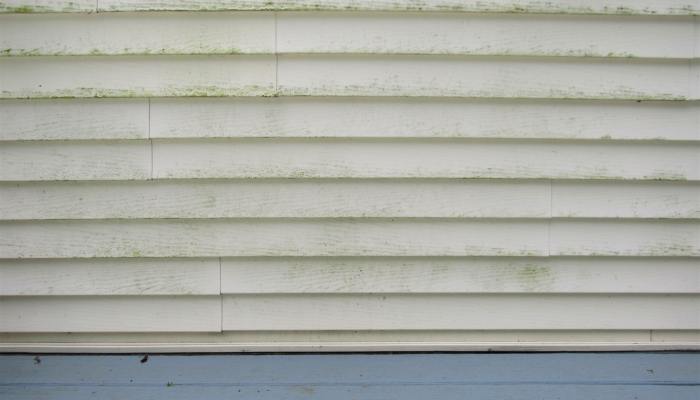
Mold and mildew on siding can make a well-kept home look tired fast. The stains often start small, then spread across shaded corners, behind shrubs, or under eaves that never seem to dry. Many homeowners also worry about what the growth might mean for indoor air, even when the problem stays outside.
You can remove mold and mildew without turning the project into a weekend-long ordeal. The right approach depends on your siding material, the level of buildup, and the reason the growth showed up in the first place. When you handle the cause and the cleanup together, you get siding that stays cleaner longer. Check out these ways to remove the mold and mildew from your siding.
Start With Safety and Smart Prep
You can make this project simpler by preparing the area first. Move patio furniture, grills, and planters away from the wall. Cover delicate plants with lightweight plastic, and remove the plastic as soon as you finish so heat does not build up underneath.
Wear gloves and eye protection, and choose clothes that you do not mind staining. You can also wear a mask if you feel sensitive to cleaning fumes or if you need to scrub heavy growth. Close nearby windows and doors, and keep pets and kids out of the splash zone.
Pre-wet the siding and nearby landscaping with plain water. Wet leaves and soil dilute any runoff and reduce the chance of plant damage. You also help cleaners spread more evenly when the surface does not start out bone dry.
The Gentle Wash That Works for Most Homes
A soft wash approach removes growth through cleaner and dwell time rather than brute force. You apply a cleaning solution, let it work, then rinse. This method often works well for vinyl, painted fiber cement, brick, and many other exteriors.
You can mix a basic solution using water, a small amount of bleach, and a bit of dish soap to help it cling. Use a pump sprayer for even coverage, and work in sections so you can manage timing. Apply the solution from the bottom up to reduce streaking, then let it sit for several minutes. Do not let it dry on the surface.
Scrub stubborn areas with a soft-bristle brush, then rinse from the top down with a garden hose. A wide spray pattern works better than a hard jet because it rinses without driving water into seams. Repeat on heavy stains instead of increasing force.
When You Shouldn’t Use the Pressure Washer
Pressure washers look tempting because they make fast work of dirt, but they can create headaches when you use them the wrong way. High pressure can force water behind vinyl panels and into sheathing. That trapped moisture can feed future mold growth and invite rot in wood structures.
Pressure can also scar wood, loosen caulk, and damage paint. Even on fiber cement, pressure can strip away protective coatings if you hold the wand too close. If you use a pressure washer, use the lowest effective pressure, keep a wide fan tip, and stand back. Angle the spray downward and avoid blasting upward into seams.
Tackle Stains That Keep Coming Back
Some stains return because moisture patterns never change. You might see recurring streaks under a gutter corner that overflows during storms. You might notice green growth behind a row of hedges that blocks the sun and airflow. You might also spot mildew near a dryer vent that pushes warm, damp air toward the wall.
Check your gutters and downspouts first. Clean them, repair leaks, and extend downspouts so water moves away from the foundation. Trim shrubs back to create breathing room. Improve drainage where the soil slopes toward the house.
These fixes matter because mold and mildew do not just appear. They settle where water lingers, and sunlight stays scarce.
Common Siding Issues That Invite Mold and Mildew
Mold and mildew often show up alongside other exterior problems. Caulk can crack around windows and doors, letting water seep into small gaps. Paint can peel, leaving porous surfaces exposed. Warped or loose siding can create pockets that trap moisture.
You might also notice chalky residue on older vinyl, which signals oxidation. Oxidation can hold dirt and moisture, making stains look worse. You can also see rust streaks from nails, gutters, or nearby metal fixtures, and those streaks can mix visually with mildew.
When you look for common siding issues during cleaning, you can plan small repairs that keep growth from returning. Fresh caulk, minor paint touch-ups, and better drainage can improve results more than another round of scrubbing.
Use Oxygen Bleach for a Less Harsh Option
Oxygen bleach, often sold as a powdered cleaner, can lift organic stains with less harshness than chlorine bleach. Many homeowners prefer it for painted surfaces and for situations where landscaping sits close to the wall.
You mix oxygen bleach with warm water, apply it with a sprayer or sponge, and let it dwell. The cleaner needs time to break down stains, so patience matters. Scrub lightly where needed, then rinse well.
Oxygen bleach can take longer than chlorine bleach on severe growth, but it can feel easier to work with on sensitive areas. You still need to protect plants and rinse thoroughly.
A Cleaner Exterior Starts With Better Moisture Control
Mold and mildew removal on your siding feels satisfying because you can see the difference right away. The best results come from a gentle wash, careful rinsing, and a quick scan for moisture sources that caused the growth. When you pair cleaning with small fixes, you spend less time battling the same stains every year.
You can treat siding like a protective skin for your home. When that skin stays clean, dry, and well-maintained, it looks better and lasts longer. Once you remove the buildup and cut off the moisture that feeds it, your siding can look bright again without constant effort.