
Your vehicle relies heavily on four patches of rubber to navigate the road safely. These components bear the entire weight of the car, passengers, and cargo. Yet, maintenance often falls to the bottom of the to-do list. Ignoring rubber condition can lead to blowouts, hydroplaning, and poor fuel economy. Monitoring tread and pressure saves money and lives.
This breakdown of tire care 101: what every driver should know simplifies the process for every car owner in Pittsburgh.
Monitor Tread Depth Indicators
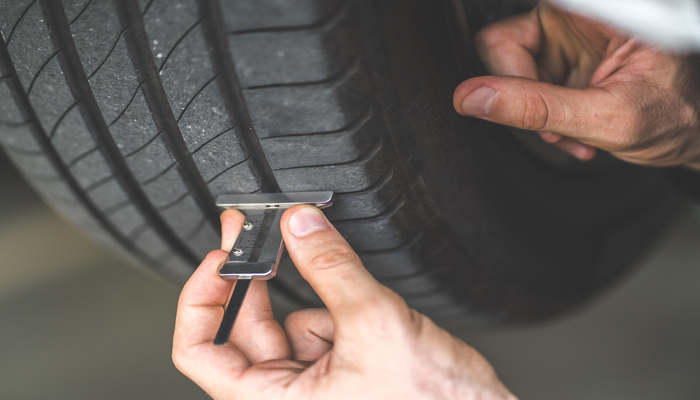
Traction keeps the car planted on the road during heavy rainstorms. Grooves channel water away from the contact patch. Without sufficient depth, tires float on top of the water. This phenomenon, known as hydroplaning, eliminates steering control. Most modern manufacturers include wear bars within the grooves to assist drivers. These indicators look like small rubber bridges connecting the tread ribs.
When the tread wears down to the level of these bars, the tire provides no safety benefit. Wet roads become slippery when the tread depth is insufficient. Experts recommend replacing the set before the rubber reaches flush with these indicators. Waiting too long jeopardizes the safety of everyone in the vehicle.
Scan For Sidewall Damage
City driving presents hazards like potholes, debris, and sharp curbs. Hitting these obstacles compresses the tire against the rim. This impact damages the internal structure. Inspect the sidewalls for bulges or bubbles. These protrusions indicate that air escaped the inner liner and infiltrated the outer layers. The structural integrity fails at that point. A blowout could happen at highway speeds.
Cuts and cracks also signal danger. Dry rot appears as a network of tiny cracks on the surface. This indicates the rubber compound is degrading due to age or exposure to elements. Any visible damage warrants an immediate visit to a professional shop.
Identify Irregular Wear Patterns
Proper inflation distributes vehicle weight evenly across the footprint. Check pressure monthly to prevent uneven wear. Overinflated tires bulge in the center, causing the middle strip to wear out first. Underinflated tires sag, putting excessive pressure on the outer edges. Misalignment causes the tires to pull sideways, rapidly stripping rubber from one side.
Suspension issues cause erratic cupping or scalloping. Spotting these signs early allows for correction and extends the rubber’s lifespan. However, once the tread disappears or shows severe irregularity, it’s time for a new set of tires.
Verify Manufacturing Dates
Rubber expires just like food in the fridge. Oxidation attacks the compounds constantly. UV rays and oxygen make the material brittle over time. This degradation occurs regardless of mileage. A tire that looks brand new might pose hidden risks if it sat in a garage for a decade.
Locate the DOT code on the sidewall to find the age. The final four numbers tell the story. The first two digits represent the week, and the last two signify the year. For example, 3221 means the 32nd week of 2021. Safety experts recommend swapping out the rubber every six years. Old tires lose the ability to grip the road effectively.
Maintain Road Safety
Proactive checks prevent roadside emergencies. A quick walk-around saves headaches later. Keep the pressure set correctly and monitor for damage. Understanding these tire maintenance essentials empowers drivers to make wise decisions. Don’t wait for a flat to consider maintenance.