Fresh herbs have a way of transforming everyday meals, bringing vibrant flavors to your kitchen with almost no extra effort. Whether you’re simmering a classic Italian sauce, grilling summertime favorites, or tossing together a quick weeknight pasta, herbs make each dish sing.
They’re not just ingredients; they’re a connection to family traditions and the rich culinary heritage of Pittsburgh’s Italian-American community. In this guide, we’ll show you how easy it is to grow and use fresh herbs for better home cooking.
Start With Easy Herbs That Thrive At Home
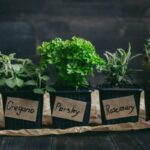
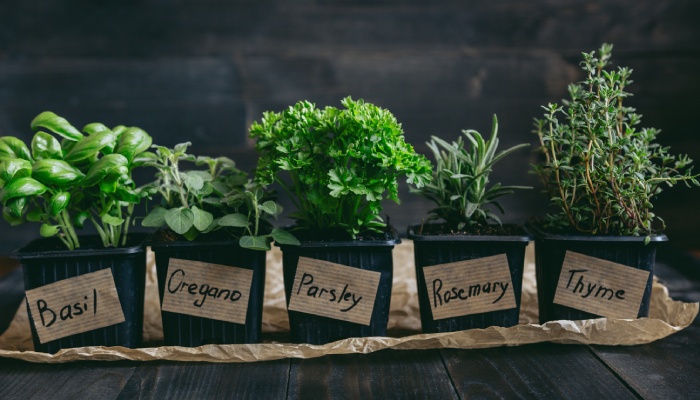
If you’re new to growing herbs, basil, parsley, oregano, rosemary, and thyme are great choices. These classics are perfect for Italian dishes and will last for a long time in containers. Place small pots on a sunny windowsill, or arrange planters on your porch or patio, whatever fits your space.
Water your herbs when the top inch of soil feels dry; just be careful not to overwater. Pinch the plants regularly to help them grow fuller and bushier, rather than tall and spindly. With just a few of these herbs, you’ll always have fresh flavor on hand for sauces, marinades, soups, and salads.
Harvest And Store Herbs For The Best Flavor
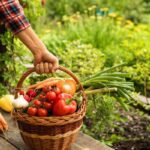
Harvesting herbs the right way helps your plants stay healthy and ensures you get the best flavor. For leafy herbs like basil and parsley, cut just above a set of leaves to encourage the plant to branch out and keep growing. With woodier herbs like rosemary, snip off small sprigs rather than stripping whole stems.
Once you’ve harvested, rinse the herbs gently and pat them dry. Store tender varieties in the fridge, wrapped in a damp paper towel and tucked inside a container. Rosemary and thyme do best in a sealed bag to keep them from drying out. If you want to preserve herbs longer, chop them and freeze them in olive oil cubes.
Use Fresh Herbs In Everyday Cooking
Fresh herbs can elevate simple meals in a hurry. Toss chopped parsley into roasted potatoes, stir basil into tomato sauce, or sprinkle oregano on pizza before serving. For grilling season, try using fresh herbs to enhance steak flavor by blending rosemary, thyme, garlic, and olive oil into a quick rub.
Add basil to caprese salad, brighten soups with fresh thyme, and finish pasta with a handful of torn herbs instead of heavy extra seasoning. Small amounts go a long way, so start light and taste as you go.
Bring More Flavor To Your Kitchen
Cooking with herbs from your garden feels rewarding because it makes everyday meals taste fresh, bold, and personal. You don’t need a huge garden or fancy tools, just a few pots, sunlight, and a little consistency.
Herbs also connect beautifully to Italian-American traditions, where fresh ingredients and simple techniques matter. When you build the habit, you’ll cook with more confidence and creativity all year long. Learning how to grow and use fresh herbs for better home cooking starts with one plant and one meal, then grows from there.

- The Italian-American Page
- The Italian-American Page
- The Italian-American Page
- The Italian-American Page
- The Italian-American Page
- The Italian-American Page
- The Italian-American Page
- The Italian-American Page
- The Italian-American Page
- The Italian-American Page
- The Italian-American Page
- The Italian-American Page
- The Italian-American Page
- The Italian-American Page
- The Italian-American Page
- The Italian-American Page
- The Italian-American Page
- The Italian-American Page
- The Italian-American Page
- The Italian-American Page
- The Italian-American Page
- The Italian-American Page
- The Italian-American Page
- The Italian-American Page
- The Italian-American Page
- The Italian-American Page
- The Italian-American Page
- The Italian-American Page
- The Italian-American Page
- The Italian-American Page
- The Italian-American Page
- The Italian-American Page
- The Italian-American Page
- The Italian-American Page
- The Italian-American Page
- The Italian-American Page
- The Italian-American Page
- The Italian-American Page
- The Italian-American Page
- The Italian-American Page
- The Italian-American Page
- The Italian-American Page
- The Italian-American Page
- The Italian-American Page
- The Italian-American Page
- The Italian-American Page
- The Italian-American Page
- The Italian-American Page
- The Italian-American Page
- The Italian-American Page
- The Italian-American Page
- The Italian-American Page
- The Italian-American Page
- The Italian-American Page
- The Italian-American Page
- The Italian-American Page
- The Italian-American Page
- The Italian-American Page
- The Italian-American Page
- The Italian-American Page
- The Italian-American Page
- The Italian-American Page
- The Italian-American Page
- The Italian-American Page
- The Italian-American Page
- The Italian-American Page
- The Italian-American Page
- The Italian-American Page
- The Italian-American Page
- The Italian-American Page
- The Italian-American Page
- The Italian-American Page
- The Italian-American Page
- The Italian-American Page
- The Italian-American Page
- The Italian-American Page
- The Italian-American Page
- The Italian-American Page
- The Italian-American Page
- The Italian-American Page
- The Italian-American Page
- The Italian-American Page
- The Italian-American Page
- The Italian-American Page
- The Italian-American Page
- The Italian-American Page
- The Italian-American Page
- The Italian-American Page
- The Italian-American Page
- The Italian-American Page
- The Italian-American Page
- The Italian-American Page
- The Italian-American Page
- The Italian-American Page
- The Italian-American Page
- The Italian-American Page
- The Italian-American Page
- The Italian-American Page
- The Italian-American Page
- The Italian-American Page
- The Italian-American Page
- The Italian-American Page
- The Italian-American Page
- The Italian-American Page
- The Italian-American Page
- The Italian-American Page
- The Italian-American Page
- The Italian-American Page
- The Italian-American Page
- The Italian-American Page
- The Italian-American Page
- The Italian-American Page
- The Italian-American Page
- The Italian-American Page
- The Italian-American Page
- The Italian-American Page
- The Italian-American Page
- The Italian-American Page
- The Italian-American Page
- The Italian-American Page
- The Italian-American Page
- The Italian-American Page
- The Italian-American Page
- The Italian-American Page
- The Italian-American Page
- The Italian-American Page
- The Italian-American Page
- The Italian-American Page
- The Italian-American Page
- The Italian-American Page
- The Italian-American Page
- The Italian-American Page
- The Italian-American Page
- The Italian-American Page
- The Italian-American Page
- The Italian-American Page
- The Italian-American Page
- The Italian-American Page
- The Italian-American Page
- The Italian-American Page
- The Italian-American Page
- The Italian-American Page
- The Italian-American Page
- The Italian-American Page
- The Italian-American Page
- The Italian-American Page
- The Italian-American Page
- The Italian-American Page
- The Italian-American Page
- The Italian-American Page
- The Italian-American Page
- The Italian-American Page
- The Italian-American Page
- The Italian-American Page
- The Italian-American Page
- The Italian-American Page
- The Italian-American Page
- The Italian-American Page
- The Italian-American Page
- The Italian-American Page
- The Italian-American Page
- The Italian-American Page
- The Italian-American Page
- The Italian-American Page
- The Italian-American Page
- The Italian-American Page
- The Italian-American Page
- The Italian-American Page
- The Italian-American Page
- The Italian-American Page
- The Italian-American Page
- The Italian-American Page
- The Italian-American Page
- The Italian-American Page
- The Italian-American Page
- The Italian-American Page
- The Italian-American Page
- The Italian-American Page
- The Italian-American Page
- The Italian-American Page
- The Italian-American Page
- The Italian-American Page
- The Italian-American Page
- The Italian-American Page
- The Italian-American Page
- The Italian-American Page
- The Italian-American Page
- The Italian-American Page
- The Italian-American Page
- The Italian-American Page
- The Italian-American Page
- The Italian-American Page
- The Italian-American Page
- The Italian-American Page
- The Italian-American Page
- The Italian-American Page
- The Italian-American Page
- The Italian-American Page
- The Italian-American Page
- The Italian-American Page
- The Italian-American Page
- The Italian-American Page
- The Italian-American Page
- The Italian-American Page
- The Italian-American Page
- The Italian-American Page
- The Italian-American Page
- The Italian-American Page
- The Italian-American Page
- The Italian-American Page
- The Italian-American Page
- The Italian-American Page
- The Italian-American Page
- The Italian-American Page
- The Italian-American Page
- The Italian-American Page
- The Italian-American Page
- The Italian-American Page
- The Italian-American Page
- The Italian-American Page
- The Italian-American Page
- The Italian-American Page
- The Italian-American Page
- The Italian-American Page
- The Italian-American Page
- The Italian-American Page
- The Italian-American Page
- The Italian-American Page
- The Italian-American Page
- The Italian-American Page
- The Italian-American Page
- The Italian-American Page
- The Italian-American Page
- The Italian-American Page
- The Italian-American Page
- The Italian-American Page
- The Italian-American Page
- The Italian-American Page
- The Italian-American Page
- The Italian-American Page
- The Italian-American Page
- The Italian-American Page
- The Italian-American Page
- The Italian-American Page
- The Italian-American Page
- The Italian-American Page
- The Italian-American Page
- The Italian-American Page
- The Italian-American Page
- The Italian-American Page
- The Italian-American Page
- The Italian-American Page
- The Italian-American Page
- The Italian-American Page
- The Italian-American Page
- The Italian-American Page
- The Italian-American Page
- The Italian-American Page
- The Italian-American Page
- The Italian-American Page
- The Italian-American Page
- The Italian-American Page
- The Italian-American Page
- The Italian-American Page
- The Italian-American Page
- The Italian-American Page
- The Italian-American Page
- The Italian-American Page
- The Italian-American Page
- The Italian-American Page
- The Italian-American Page
- The Italian-American Page
- The Italian-American Page
- The Italian-American Page
- The Italian-American Page
- The Italian-American Page
- The Italian-American Page
- The Italian-American Page
- The Italian-American Page
- The Italian-American Page
- The Italian-American Page
- The Italian-American Page
- The Italian-American Page
- The Italian-American Page
- The Italian-American Page
- The Italian-American Page
- The Italian-American Page
- The Italian-American Page
- The Italian-American Page
- The Italian-American Page
- The Italian-American Page
- The Italian-American Page
- The Italian-American Page
- The Italian-American Page
- The Italian-American Page
- The Italian-American Page
- The Italian-American Page
- The Italian-American Page
- The Italian-American Page
- The Italian-American Page
- The Italian-American Page
- The Italian-American Page
- The Italian-American Page
- The Italian-American Page
- The Italian-American Page
- The Italian-American Page
- The Italian-American Page
- The Italian-American Page
- The Italian-American Page
- The Italian-American Page
- The Italian-American Page
- The Italian-American Page
- The Italian-American Page
- The Italian-American Page
- The Italian-American Page
- The Italian-American Page
- The Italian-American Page
- The Italian-American Page
- The Italian-American Page
- The Italian-American Page
- The Italian-American Page
- The Italian-American Page
- The Italian-American Page
- The Italian-American Page
- The Italian-American Page
- The Italian-American Page
- The Italian-American Page
- The Italian-American Page
- The Italian-American Page
- The Italian-American Page
- The Italian-American Page
- The Italian-American Page
- The Italian-American Page
- The Italian-American Page
- The Italian-American Page
- The Italian-American Page
- The Italian-American Page
- The Italian-American Page
- The Italian-American Page
- The Italian-American Page
- The Italian-American Page
- The Italian-American Page
- The Italian-American Page
- The Italian-American Page
- The Italian-American Page
- The Italian-American Page
- The Italian-American Page
- The Italian-American Page
- The Italian-American Page
- The Italian-American Page
- The Italian-American Page
- The Italian-American Page
- The Italian-American Page
- The Italian-American Page
- The Italian-American Page
- The Italian-American Page
- The Italian-American Page
- The Italian-American Page
- The Italian-American Page
- The Italian-American Page
- The Italian-American Page
- The Italian-American Page
- The Italian-American Page
- The Italian-American Page
- The Italian-American Page
- The Italian-American Page
- The Italian-American Page
- The Italian-American Page
- The Italian-American Page
- The Italian-American Page
- The Italian-American Page
- The Italian-American Page
- The Italian-American Page
- The Italian-American Page
- The Italian-American Page
- The Italian-American Page
- The Italian-American Page
- The Italian-American Page
- The Italian-American Page
- The Italian-American Page
- The Italian-American Page
- The Italian-American Page
- The Italian-American Page
- The Italian-American Page
- The Italian-American Page
- The Italian-American Page
- The Italian-American Page
- The Italian-American Page
- The Italian-American Page
- The Italian-American Page
- The Italian-American Page
- The Italian-American Page
- The Italian-American Page
- The Italian-American Page
- The Italian-American Page
- The Italian-American Page
- The Italian-American Page
- The Italian-American Page
- The Italian-American Page
- The Italian-American Page
- The Italian-American Page
- The Italian-American Page
- The Italian-American Page
- The Italian-American Page
- The Italian-American Page
- The Italian-American Page
- The Italian-American Page
- The Italian-American Page
- The Italian-American Page
- The Italian-American Page
- The Italian-American Page
- The Italian-American Page